How Air Line Fittings Improve Equipment Reliability
Mastering Compressed Air & Fluid Handling: Essential Insights on Valves and Fittings
Mastering fluid and compressed air management calls for a clear understanding of valves and fittings. These critical elements serve critical functions in controlling flow and preserving system reliability. Picking the correct fittings and valves directly shapes operational safety and efficiency. However, people often disregard the intricacies of proper installation and upkeep. Understanding these considerations is likely to drive improved efficiency and reduced downtime. What particular methods can improve the dependability of these systems?
Exploring the Function of Valves in Fluid Dynamics
Valves play an essential role in fluid management, controlling the flow and pressure across systems. These vital components confirm that liquids travel effectively through pipelines and equipment, impacting performance and safety. By controlling the passage of liquids and gases, valves help maintain desired operational conditions, stop backflow from occurring, and manage pressure surges.
Various types of valves fulfill specific functions, encompassing isolation, throttling, and pressure relief. Their design and material choice greatly influence overall system performance and longevity. As an example, superior quality valves are built to resist harsh temperatures and corrosive conditions, vital for industries such as oil and gas and chemical processing.
Proper valve selection and maintenance are fundamental in optimizing system performance and minimizing downtime. Understanding the intricate role of valves in fluid dynamics empowers engineers and operators to create efficient, safe, and sustainable fluid handling systems, ultimately enhancing productivity and reducing operational costs.
Valve Types: Selecting the Best Option for Your System
Within the field of fluid dynamics, identifying the correct valve type is critical to system efficiency. An examination of multiple valve types, combined with key selection criteria and application-specific considerations, can guide engineers in making informed choices. Understanding these factors ensures peak performance and reliability in systems designed for fluid and compressed air management.
Valve Types at a Glance
Choosing the right valve type is vital for enhancing fluid management systems. Numerous valve types can be found, each engineered for particular applications and uses. Spherical valves, recognized for their robustness and secure sealing, are perfect for open/close control. Gate valves deliver low pressure reduction, making them appropriate for flow management. Globe valves perform exceptionally in throttling functions, providing accurate regulation of fluid movement. Non-return valves eliminate backward flow, preserving system consistency. Diaphragm valves are often used in sanitary applications, as they lower the possibility of contamination. Lastly, electromagnetic valves are automated solutions, offering rapid response times for operational systems. Recognizing these differences helps in choosing the right valve, thereby improving overall system performance and dependability.
Key Selection Criteria
Selecting the correct valve for a fluid handling system requires multiple key evaluation factors that influence performance and efficiency. First, the fluid type—whether it is slurry, gas, or liquid—establishes the necessary materials and compatibility for maximum performance. Pressure and temperature ratings are critical, as they guarantee the valve can withstand demanding conditions without malfunction. Additionally, flow rate requirements affect the sizing and configuration of the valve, impacting system efficiency. Actuation method, whether manual, electric, or pneumatic, should align with the system's automation demands. Lastly, maintenance requirements and longevity should be considered, as these factors significantly impact operational costs. By thoroughly assessing these criteria, engineers can identify a valve that enhances system reliability and efficiency.
Considerations for Specific Applications
A thorough knowledge of specific application requirements is vital when selecting the correct type of valve for a liquid handling system. Various applications demand distinct valve properties, including pressure ratings, flow rates, and fluid compatibility. For example, gate valves are ideal for shut-off control in pressurized systems, while globe valves are better suited for throttling applications. Additionally, components such as corrosion-resistant stainless steel or PVC may be needed according to the chemical composition of the fluid. Surrounding conditions, such as thermal conditions and exposure to corrosive elements, also have a critical impact in the valve selection process. Ultimately, selecting the suitable valve ensures peak performance, safety, and extended lifespan of the fluid handling system.
Key Fittings and Their Role in System Performance and Safety
Key fittings are essential components in fluid handling and compressed air systems, as they heavily affect overall performance and safety. Choosing the right fittings and materials is critical to achieving durability and compatibility within the system. Moreover, following best practices throughout the installation process can prevent leaks and enhance operational efficiency.
Types Of Fittings
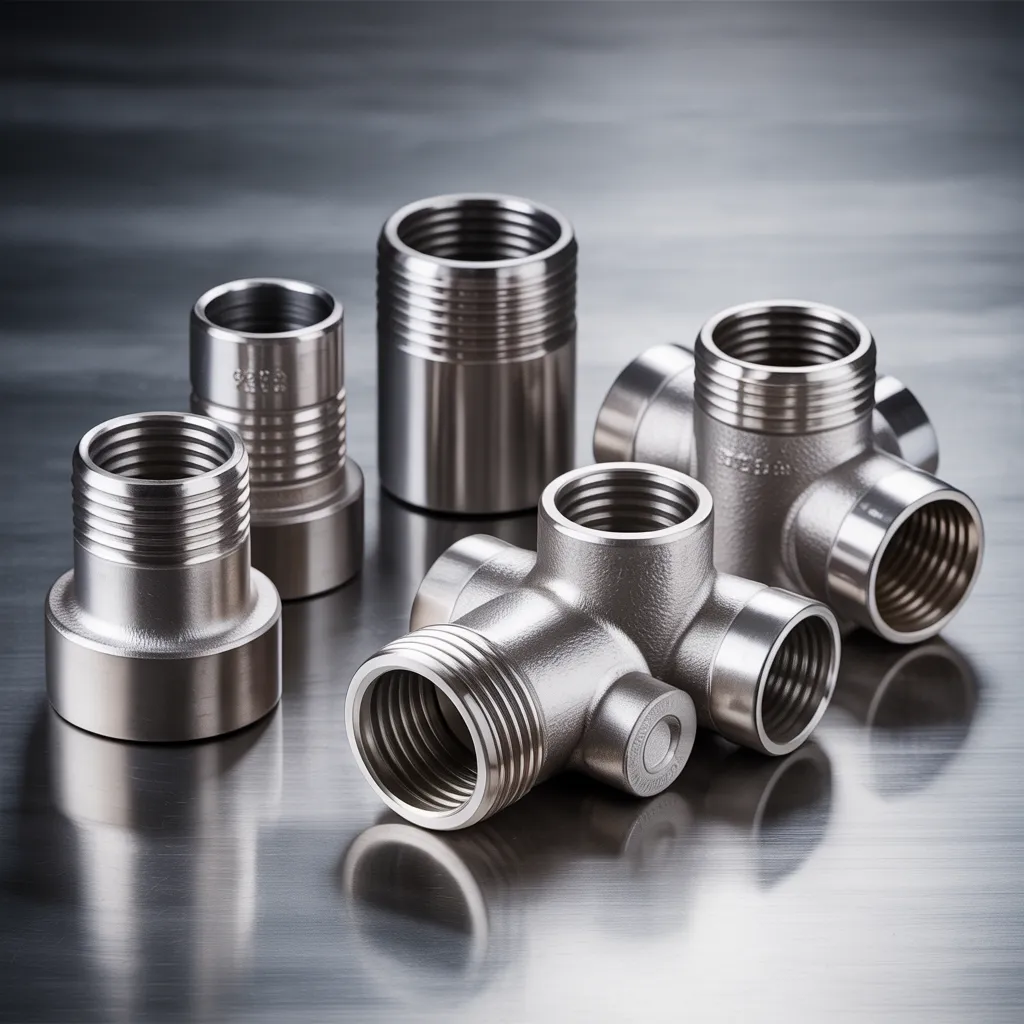
Fittings serve a vital function in the safety and efficiency of fluid and compressed air systems. They assessment act as key connection points that link different components together, maintaining a consistent flow of gases and liquids. The primary fitting types consist of adapters, tees, couplings, and elbows, each suited to distinct purposes. Couplings allow for swift joining, while elbows accommodate directional shifts in pipework. Tees enable branching off the main line, and adapters provide compatibility between different sizes or types of pipes. Each fitting type must be selected based on the system's requirements, as their effectiveness has a direct influence on operational reliability and system integrity. A thorough knowledge of these fitting types is essential for effective system design and upkeep.
Considerations for Material Selection
The choice of materials is a decisive element that affects the safety and performance of systems designed for compressed air and fluid management. The selection of materials for fittings plays a major role in corrosion resistance, durability, and fluid compatibility. Typical material options consist of brass, stainless steel, and plastic, each offering distinct advantages. Brass fittings offer superior strength along with corrosion resistance, making them well-suited to both air and water system applications. Stainless steel offers superior durability and resistance to harsh environments, while fittings made of plastic are both lightweight and chemically resistant. Moreover, both temperature and pressure ratings need to match system specifications to ensure consistent performance. At its core, the proper selection of materials boosts system efficiency, minimizes maintenance costs, and upholds operational safety.
Installation Guidelines and Best Practices
Proper installation techniques are essential for maximizing the performance and reliability of compressed air and fluid management systems. Correct alignment and fastening of fittings ensure reliable leak-proof connections, which is essential for preserving system integrity. Using the appropriate torque specifications during assembly is necessary to prevent overtightening, which can damage components. Moreover, ensuring the installation area remains clean and uncontaminated is necessary to avoid compromising system efficiency. Ensuring that all fittings align with the specified materials reduces the likelihood of system failure. Regular inspections and maintenance checks after installation enable early detection of possible concerns, thereby enhancing system longevity. Adhering to these guidelines significantly supports safe and dependable performance in fluid handling applications.
A Guide to Installing Valves and Fittings
Installing valves and fittings demands a meticulous approach to guarantee a secure and leak-free connection. First, verify that all components are suited to the system's requirements, including material compatibility and pressure ratings. Wipe down the surfaces of the pipe connections and fittings to clear away any particles or impurities that might weaken the joint integrity.
When attaching fittings, it is essential to align them properly and avoid cross-threading. Hand-tighten fittings initially and then employ the proper tools to fasten them, taking care not to over-tighten, which may damage the threads or the fitting itself.
When dealing with threaded connections, applying Teflon tape can enhance sealing and prevent leaks. When working with flanged fittings, ensure that gaskets are properly installed and that the bolts are fastened using a crisscross sequence to ensure consistent pressure is applied evenly. Following these steps meticulously will support the long-term performance and efficiency of the compressed air or fluid handling system.
Recognizing and Resolving Common Valve and Fitting Problems
Upon verifying the accurate fitting of valves and fittings, attention must turn to identifying and addressing common issues that may arise. Leaks represent some of the most frequent concerns, typically stemming from improper tightening or degraded seals. Routine examination can assist in identifying these leaks promptly, preventing fluid loss and system inefficiency.
Another common concern is valve malfunction, which can stem from corrosion or debris accumulation. Maintaining cleanliness and selecting proper materials can help prevent these problems. Additionally, fittings are susceptible to wear with time, causing misalignment or difficulty in holding pressure.
Identifying abnormal sounds or pressure fluctuations can also suggest underlying problems. Staff must be trained to detect these warning signs in a timely manner. By tackling these problems quickly, organizations can copyright system integrity and operational performance, avoiding costly downtime and repairs.
Practical Maintenance Advice for Prolonging Component Life
Maximizing the lifespan of elements in compressed air and fluid handling systems necessitates systematic and consistent maintenance procedures. Regular inspections are vital; technicians should check valves, seals, and fittings for signs of wear, corrosion, or leaks. Maintaining components free from dust and debris can greatly enhance overall efficiency and service life.
Lubrication is another key aspect; using the appropriate lubricants in designated areas prevents friction and wear. Furthermore, monitoring operating pressures and temperatures guarantees components are not subjected to extreme conditions that could lead to premature failure.
It is important to replace worn or damaged parts promptly to prevent further system damage. Operators should also maintain a log of maintenance activities to identify patterns and address recurring issues. Through the adoption of these practices, the reliability and efficiency of compressed air and fluid handling systems can be significantly enhanced, thus prolonging the lifespan of critical components.
Frequently Asked Questions
Which Materials Work Best for Valves and Fittings in Demanding Environments?
For harsh environments, options like stainless steel, brass, and engineered plastics are ideal for valves and fittings. These options deliver resistance to corrosion, durability, and are capable of withstanding extreme temperatures, guaranteeing dependable performance in demanding environments.
How Does Temperature Variation Impact Valve and Fitting Performance?
Temperature fluctuations can substantially affect the performance of valves and fittings by changing material characteristics, resulting in expansion or contraction. These fluctuations can result in leaks, reduced efficiency, and accelerated wear, thereby affecting the reliability and longevity of the system.
Can I Retrofit Existing Systems With Newer Valve Technologies?
Indeed, existing systems can often be retrofitted with newer valve solutions. Nevertheless, functional compatibility with existing components must be assessed, ensuring that safety, efficiency, and performance standards are maintained throughout the integration process.
What Environmental Regulations Apply to Fluid Handling Systems?
Environmental regulations for fluid handling systems generally encompass conformity with local, state, and federal requirements. These guidelines are directed toward limiting leaks, promoting safe disposal, and mitigating environmental impact, thereby safeguarding ecosystems and public health.
How Do I Select the Right Size for Valves and Fittings?
To determine the correct dimensions for fittings and valves, one must assess the rate of flow, pressure specifications, and system specifications. Proper calculations ensure compatibility, efficiency, and ideal performance within the fluid control system.